How To Mix In Key: The Complete Guide To Harmonic Mixing For DJs
By: Andrew Duffield - June 3, 2026
If you've ever watched a DJ tutorial, used Mixed In Key, or opened Rekordbox and noticed those strange numbers like 8A, 9A, and 5B next to your tracks, you've probably wondered:
"What do these actually mean?"
And more importantly...
"Do I really need to mix in key?"
The answer is yes... and no.
Harmonic mixing can make your transitions sound smoother, your mashups sound more professional, and your sets feel more polished. But at the same time, if you become obsessed with only mixing tracks that are harmonically compatible, your DJ sets can actually become predictable and boring.
That's why in this guide we're going to cover:
- What harmonic mixing actually is
- How the Camelot Wheel works
- Which keys work together
- Why some key changes sound amazing
- Why some key changes sound terrible
- When harmonic mixing matters
- When it doesn't matter at all
- How professional DJs actually use it in the real world
I've also created a complete video guide on this topic, so if you'd rather watch and hear real examples, make sure you check that out as well.
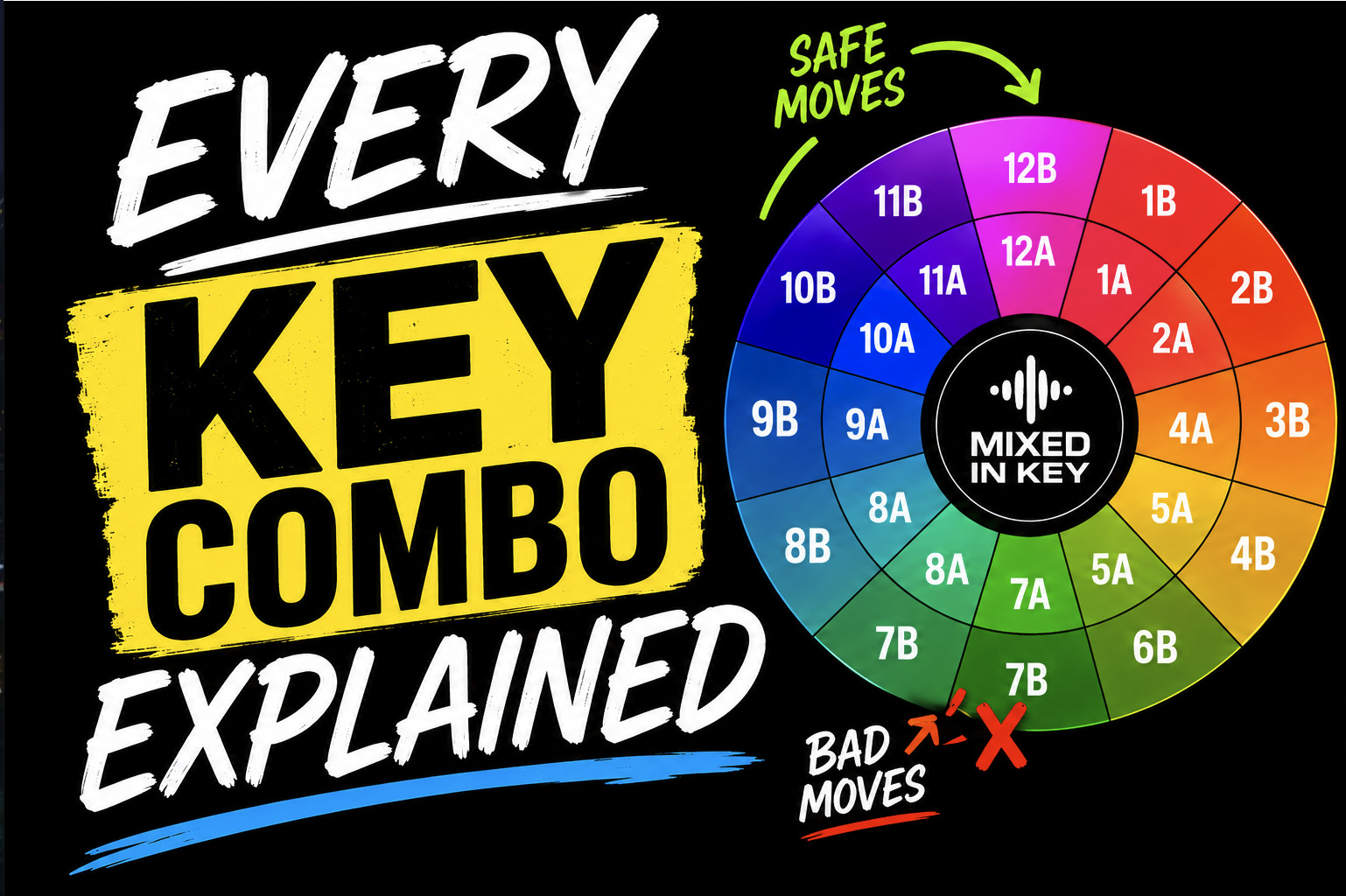
What Is Harmonic Mixing?
At its simplest, harmonic mixing means mixing songs that are written in compatible musical keys.
Every song is written using a collection of musical notes called a scale.
That scale creates the emotional flavour of the track.
For example:
A Minor feels different to B Minor.
F Minor feels different to C Major.
Even if you've never studied music theory in your life, you already understand this instinctively.
Your ears naturally recognise when two songs feel similar and when they feel different.
When two tracks share many of the same notes, they tend to blend together smoothly.
When two tracks contain very different notes, they can sometimes clash.
Harmonic mixing is simply understanding these relationships and using them to your advantage.
Why Musical Keys Matter
Imagine two singers standing on stage together.
If they're singing in compatible keys, everything sounds beautiful.
If they're singing in completely different keys, things can quickly sound messy.
The exact same principle applies to DJing.
The longer two songs overlap, the more important harmonic compatibility becomes.
This is why harmonic mixing can be especially useful for:
- Mashups
- Acapellas
- Long blends
- Layering melodies
- Progressive transitions
- Melodic house and techno
When two melodic elements are playing together for an extended period, harmonic compatibility becomes much more noticeable.
But if you're doing a quick transition between two drops?
The importance drops dramatically.
We'll come back to that later.
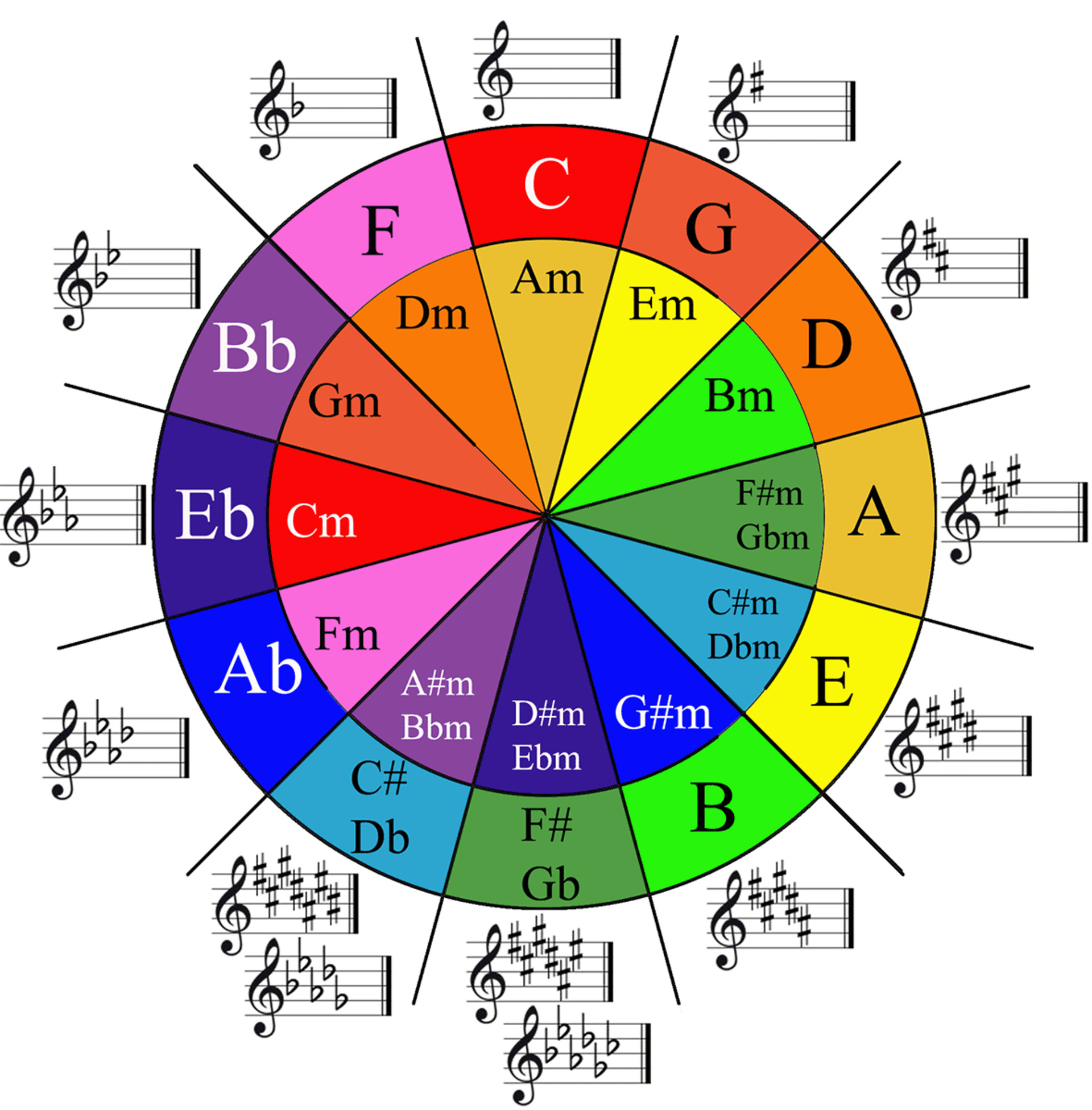
The Circle Of Fifths (Without The Headache)
Before Mixed In Key existed, musicians used something called the Circle of Fifths.
The Circle of Fifths shows how different musical keys relate to each other.
For musicians, it's an incredibly useful tool.
For DJs?
Not always.
Learning traditional music theory can feel a little like learning a new language.
Suddenly you're trying to understand things like:
- D Flat Minor
- Relative Majors
- Perfect Fifths
- Dominant Chords
And most DJs don't need any of that.
You don't need years of music theory to become a great DJ.
Thankfully, Mixed In Key simplified the entire process.
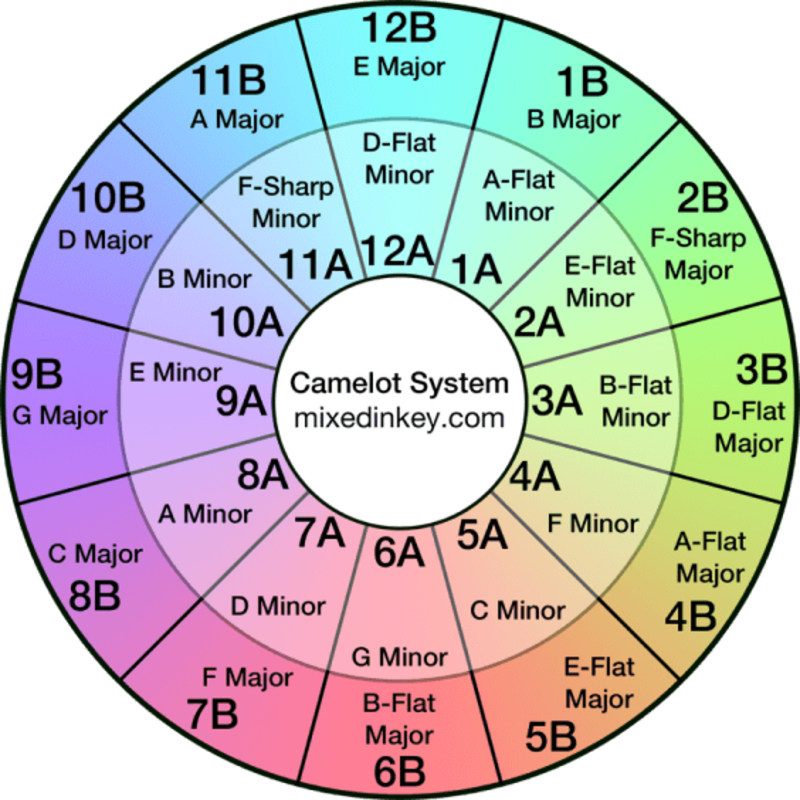
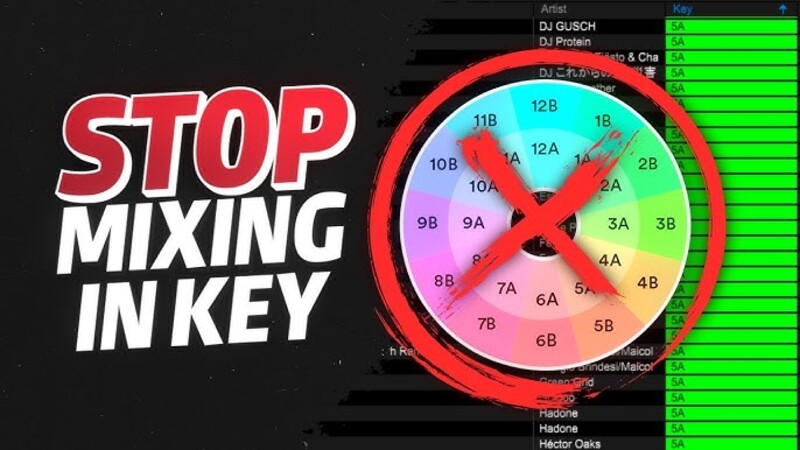
The Camelot Wheel Explained
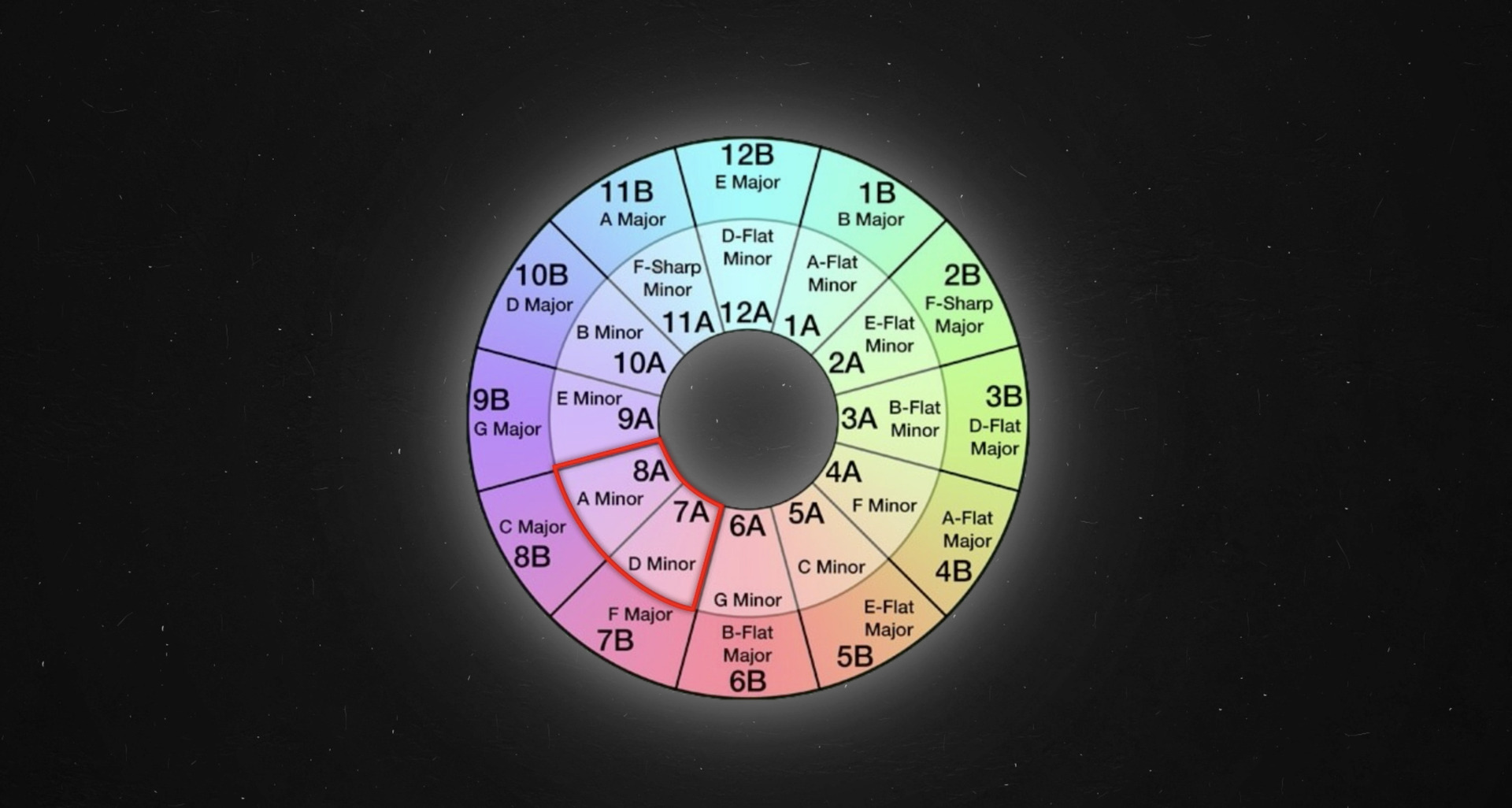
Instead of using traditional music theory terminology, Mixed In Key created the Camelot Wheel.
Every key is assigned a simple number and letter.
For example:
8A
9A
5B
11A
Suddenly, instead of memorising complex key relationships, DJs can simply look at numbers.
The system becomes incredibly easy to use.
The general rule is:
- Same key works (eg: 8A is harmonically compatible with 8A)
- Plus one works (eg: 8A is harmonically compatible with 9A)
- Minus one works (eg: 8A is harmonically compatible with 7A)
- Switching between A and B on the same number works (eg: 8A is harmonically compatible with 8B)
And that's enough information for most DJs to start mixing harmonically immediately.
It's one of the reasons Mixed In Key became so popular.
It took something complicated and made it practical.
How To Display Keys In Your DJ Software
Before you can mix harmonically, you need to see your keys.
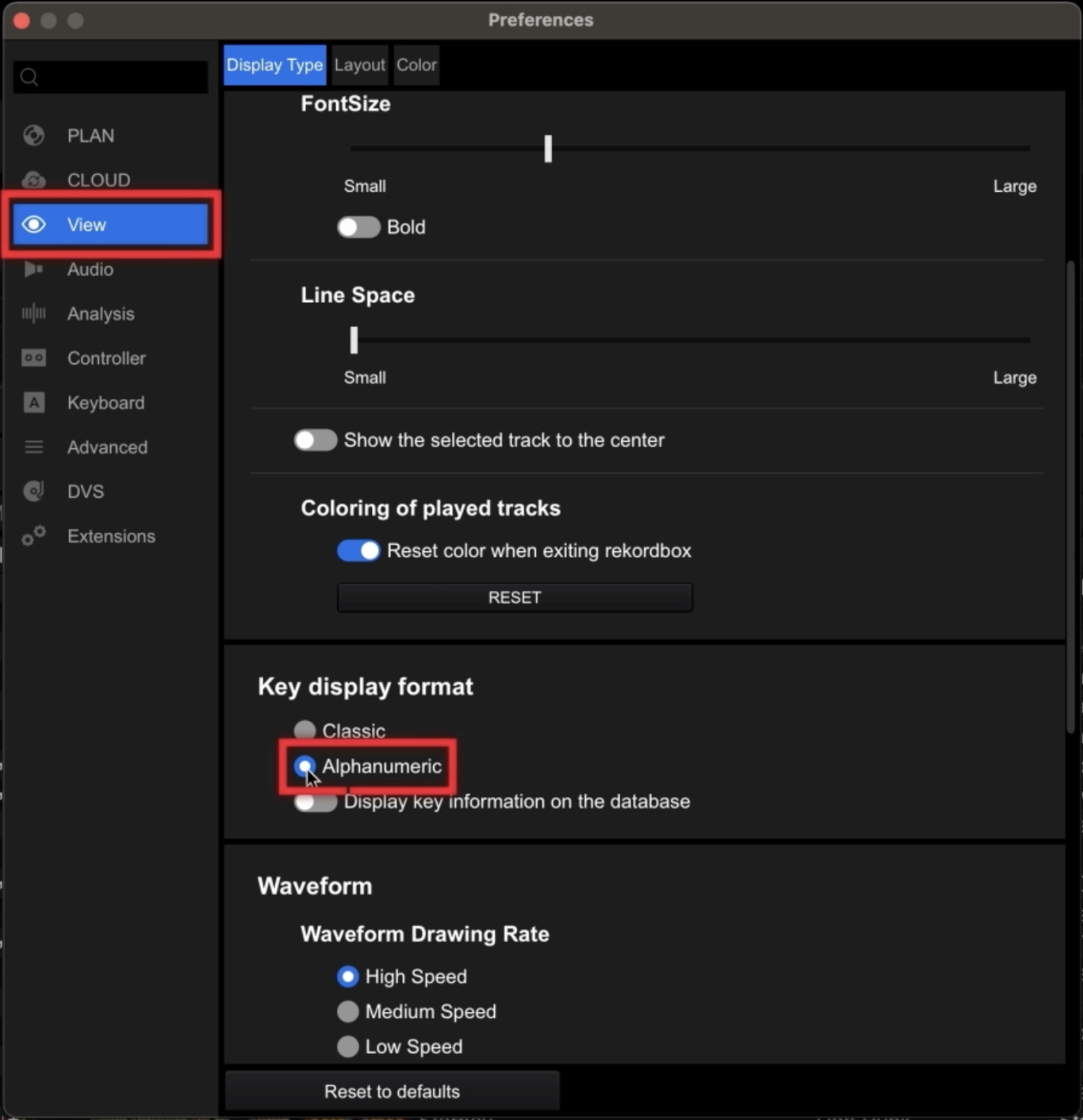
In Rekordbox, make sure your tracks have been analysed with key detection enabled.
Then switch your key display to Alphanumeric.
You'll now see values such as:
8A
10B
6A
Instead of traditional musical notation.
If you can't see keys in your browser, right-click your column headers and enable the Key column.
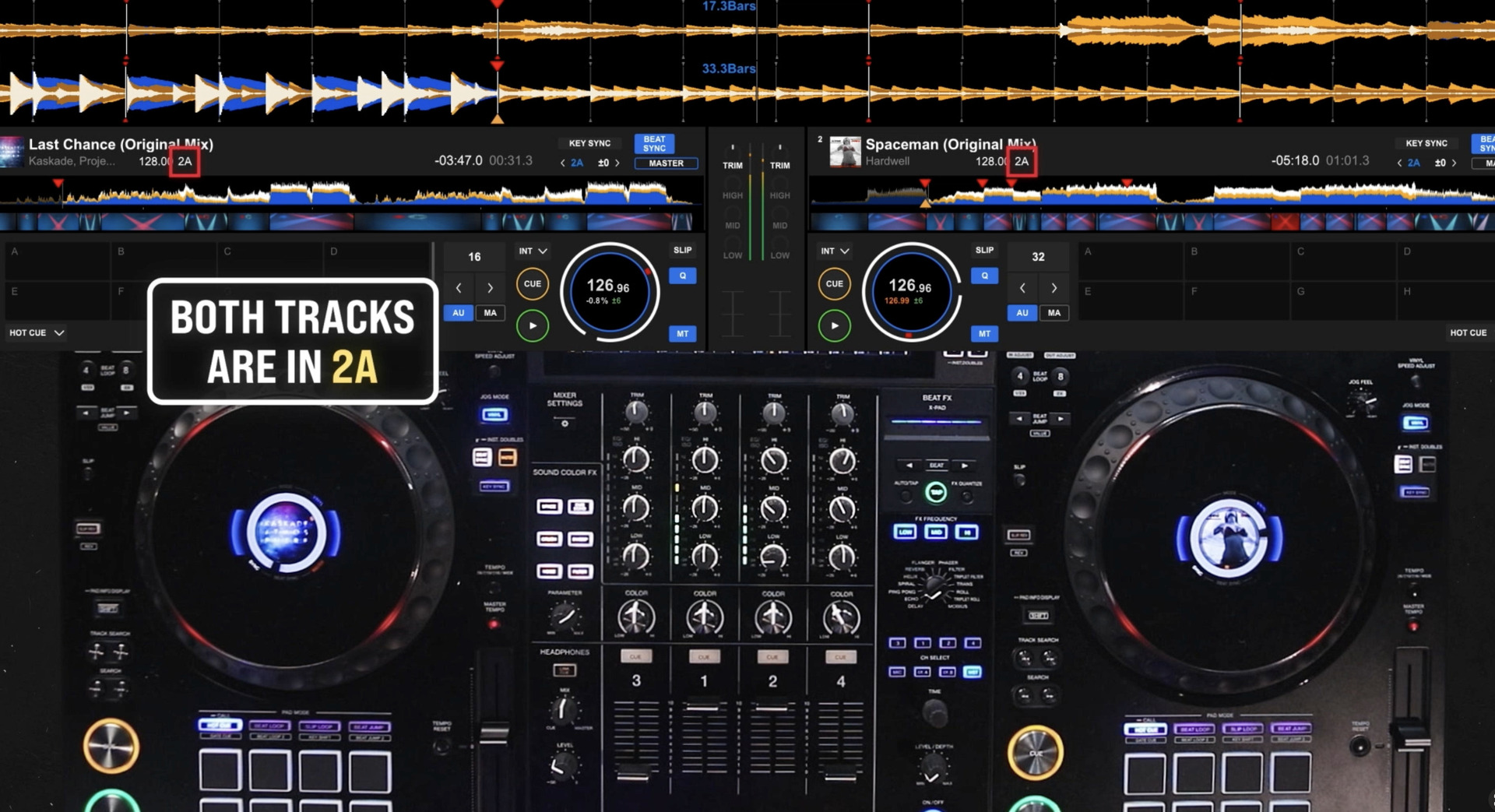
Personally, I like having the key displayed right next to BPM because it's easy to reference while browsing music.
The Safest Harmonic Mixes
Let's start with the safest and most reliable harmonic transitions.
These are:
Same Key
Plus One
Minus One
A/B Switch
Examples:
8A → 8A
8A → 7A
8A → 9A
8A → 8B
These combinations are what I'd call compatibility mixes.
They're smooth. They're predictable. They're safe.
And they work incredibly well for:
- Mashups
- Acapellas
- Long transitions
- Extended layering
- Progressive sets
When two tracks are harmonically compatible, you can often leave them playing together for much longer without creating unwanted tension.
That's why so many DJs rely on these combinations.
Why Neighbouring Keys Work So Well
For the music theory nerds out there, let's quickly look at why this works.
The closer two keys sit on the Camelot Wheel, the more notes they share.
Neighbouring keys often share six out of seven notes.
That's huge.
It means they're almost the same musical scale.
This is why they sound naturally compatible.
Your ears don't hear dramatic differences.
They hear familiarity.
The transition feels smooth and effortless.
As you move further around the wheel, fewer notes are shared.
More notes change.
More tension gets introduced.
And that's where things get interesting.
The Biggest Harmonic Mixing Myth
One of the biggest misconceptions about harmonic mixing is that you should always move one step at a time around the wheel.
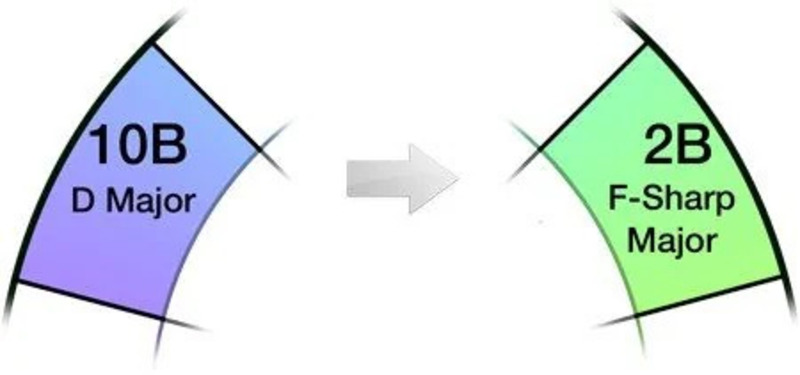
Let's say you're currently playing a track in 10B.
The perfect next song is in 2B.
What do you do?
Play five songs just to get there (one step at a time)
Of course not.
This is where many DJs misunderstand harmonic mixing.
The Camelot Wheel isn't a prison.
It's a guide.
You can jump around it whenever you want.
You simply need to understand the effect those jumps create.
Compatibility Mixing vs Modulation Mixing
Haha - ignore above image, I just thought it looked cool!!
This is probably the most important concept in this entire article.
There are actually two different mechanisms happening when DJs mix harmonically.
Compatibility Mixing
The goal here is smoothness.
You're looking for tracks that naturally fit together.
Examples:
Same key
Plus one
Minus one
A/B switch
The result:
Smooth transitions.
Professional sounding blends.
Beautiful mashups.
Minimal tension.
Modulation Mixing
The goal here is movement.
Instead of blending similar keys together, you're intentionally changing the tonal centre of the music.
The result:
Energy.
Excitement.
Lift.
Emotion.
Impact.
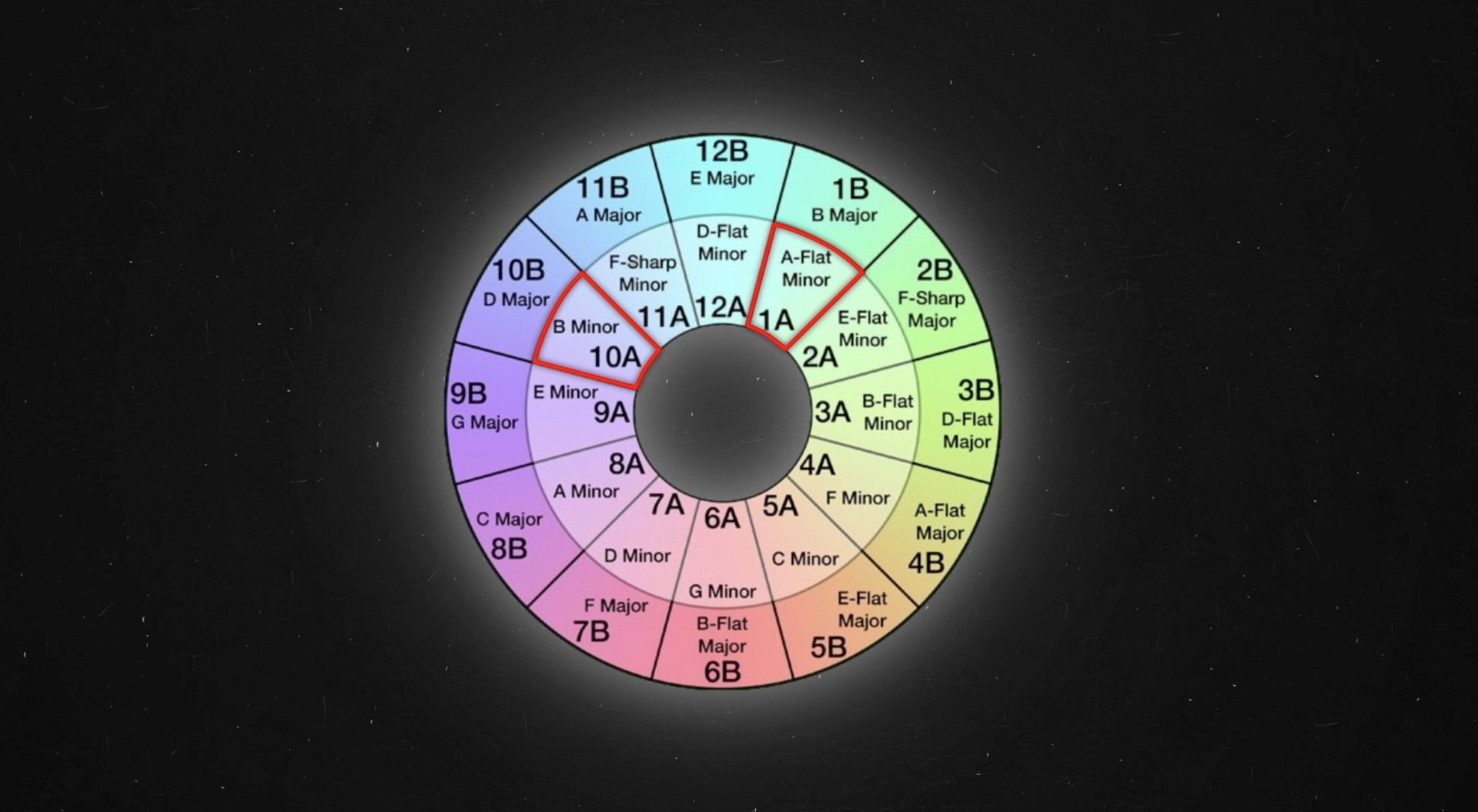
This is where larger jumps around the Camelot Wheel come into play.
The Best Energy Boost Key Changes
Mixed In Key refers to some of these jumps as Energy Boost Mixes.
And honestly, I think that's a pretty accurate description.
+2
One of the most popular jumps.
It creates a noticeable emotional lift.
The mix feels like it's moving somewhere.
There's a sense of progression and excitement.
+7
Another favourite.
Many DJs love this jump because it creates a strong feeling of upward movement.
It's less about compatibility and more about emotional impact.
The incoming track feels bigger.
Brighter.
More exciting.
This is why you'll often hear these jumps used around drops and big festival moments.
Why +9 Often Sounds Surprisingly Good
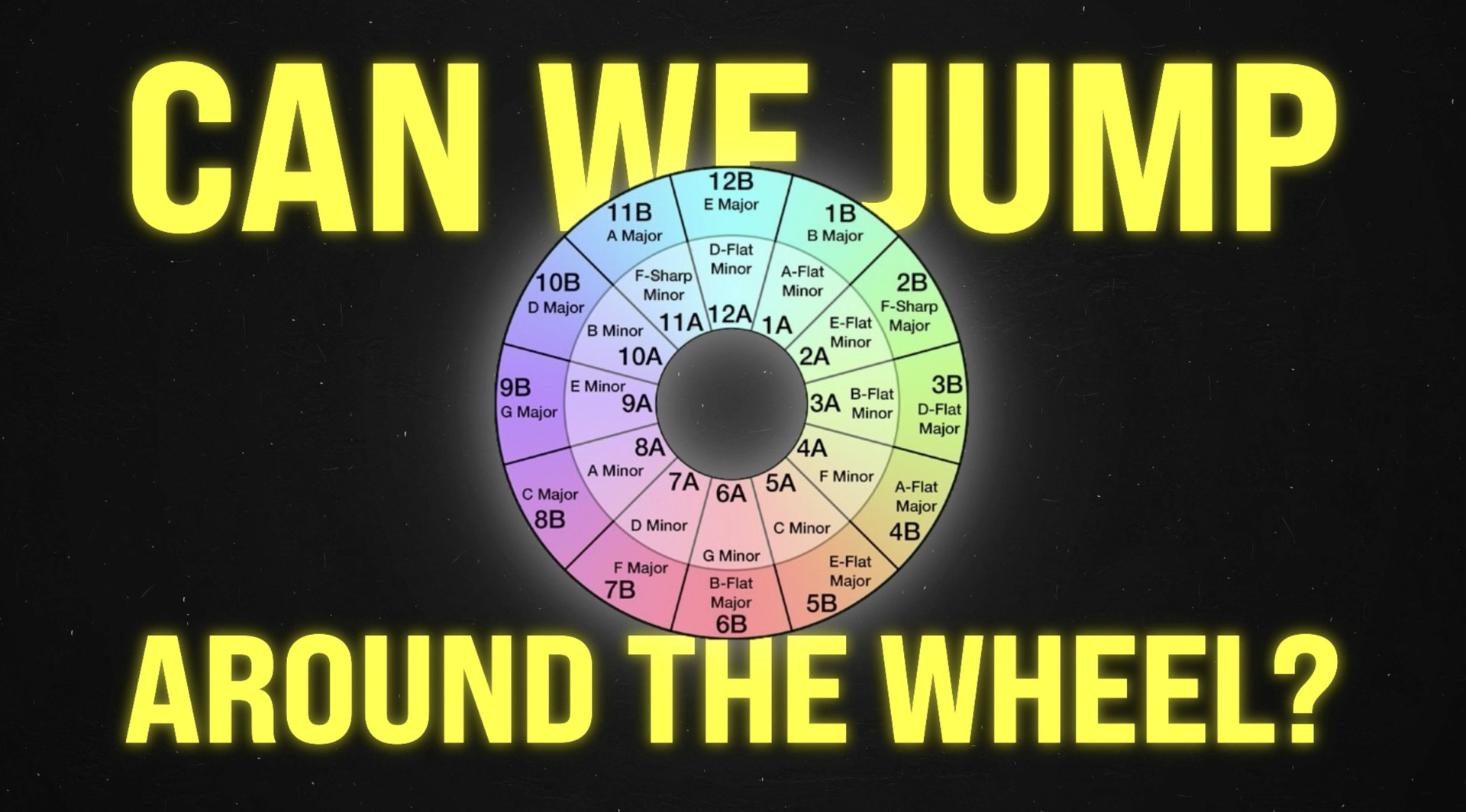
One jump that I personally find works quite well is +9.
At first glance it looks like a huge jump around the wheel.
But musically it creates a relationship that still shares some important characteristics.
The result is a transition that often feels fresh without feeling completely disconnected.
It's not as smooth as neighbouring keys.
But it's often far more interesting.

Why Some Key Changes Sound Bad
Not every jump around the wheel sounds great.
Generally speaking, I find:
+4
+6
+8
+10
to be some of the least forgiving relationships.
These jumps introduce note combinations that our ears naturally perceive as more tense or dissonant.
Now does that mean they're wrong?
Absolutely not.
Sometimes they sound fantastic.
Sometimes they're exactly what the moment needs.
But they're less forgiving than neighbouring keys and usually require more careful timing.
Particularly if you're doing long blends.
Resonance vs Dissonance
A useful way to think about harmonic mixing is through resonance and dissonance.
Resonance creates comfort.
Dissonance creates tension.
Neither is good or bad.
Movies use tension constantly.
Storytelling uses tension constantly.
Music does too.
The question isn't:
"Does this key change create tension?"
The question is:
"Do I want tension right now?"
Sometimes the answer is yes.
Sometimes the answer is no.
Understanding harmonic mixing gives you control over that choice.

The Most Important Real World Truth
This is the section I wish more DJs talked about.
Track selection matters more than harmonic mixing.
Every.
Single.
Time.
Let's say you have two options.
Option one:
The perfect song for the moment.
Wrong key.
Option two:
The wrong song.
Perfect key.
Play the perfect song.
Every time.
Crowds don't stand there analysing Camelot numbers.
They're responding to:
Energy.
Emotion.
Timing.
Track selection.
Connection.
Harmonic mixing should support great track selection.
It should never replace it.
When I Personally Use Harmonic Mixing
If I'm doing a mashup on the fly?
Absolutely.
I'll usually stick to:
Same key
Plus one
Minus one
If I'm layering vocals?
Definitely.
If I'm creating a long melodic blend?
Almost always.
But if I'm doing a quick outro transition?
Not necessarily.
If I'm replacing one drop with another?
Not necessarily.
If I'm trying to create a sudden change in energy?
Definitely not always.
Because at that point I'm often more concerned with emotion and impact than harmonic compatibility.
Learn The Rules So You Can Break Them
The Dalai Lama once said:
"Learn the rules so you know how to break them properly."
And that's exactly how I view harmonic mixing.
Learn:
Same key.
Plus one.
Minus one.
A/B switch.
Plus two.
Plus seven.
Plus nine.
Understand what they do.
Understand why they work.
Then trust your ears.
Because ultimately your audience doesn't care whether you moved from 8A to 9A.
They care how the music made them feel.
Final Thoughts
Harmonic mixing is one of the most powerful tools available to DJs.
It can make transitions smoother.
Mashups cleaner.
Sets more professional.
But it's still only a tool.
The goal isn't to always mix in key.
The goal is understanding what different key relationships do to the emotional feeling of your set.
Sometimes you'll want smooth compatibility.
Sometimes you'll want energy and tension.
Sometimes you'll completely ignore key because you've found the perfect track for that exact moment.
And that's OK too.
Learn the rules.
Understand the wheel.
Trust your ears.
And remember:
Great track selection will always beat perfect harmonic mixing.
Every single time.
If you'd like to hear real examples of everything discussed in this article, check out the full video guide below.
RELATED POSTS

In the first video at the top of the page I demonstrate different ways to mix Afro House, including where to mix, how long to play both tracks together, how to control energy through faster mixing, how to mix even when there's no obvious place to transition, and how to use looping to highlight certain parts of a track so you can extend your transitions smoothly. Let's do this!

Are you sick of some of your mixes sounding great and others sounding bad? In this video I'll give you 5 tips on where you can mix in your new track to make certain your transitions sound natural and effortless every single time. Let's start with the most common method, mixing in after the chorus.

Have you noticed the beats of your tracks drifting apart? Not having a visual reference to align the beats visually may affect your confidence behind the decks. Beatmatching allows you to match the beats by ear without looking at stacked waveforms. Even if you can align beats visually, beatmatching is an important tool to have in your toolbox because some venues do not have stacked waveform visuals.

As DJs, music is an essential part of our lives, and for many people, nothing compares to the feeling of a well-crafted DJ mix. Not only is it an amazing promotional tool to create or boost your current DJ career, it is also a means to form your identity and brand.
Not yet part of the Club Ready Tribe? Sign up to become a student today and join the strongest DJ community in the world!!
DRUM ROLL... GET THE COMPLETE PACKAGE

Buy all the courses and get over 60% off
For a limited time
CLUB READY DJ COURSE: Value: $295
ADVANCED PERFORMANCE PACK: Value: $395
CLUB PACK: Value: $195
ONE TIME BONUS VIDEOS: Value: $75
BONUS CONTROLLER TO CLUB MINI COURSE: Value: $95
FEEDBACK ON MIXES: Value: $45
MEMBER ACCESS TO CLUB READY TRIBE
DIRECT ACCESS TO ME
TOTAL VALUE: $1295
TOTAL VALUE OF COMPLETE PACKAGE: $1295
>> SALE PRICE: $175 <<
YES! I WANT ALL THIS FOR ONLY $175And I want to be on time for the reduced price!

If you press the button and see the price went back to $1295 it means the promotion has ended and the program is back to its regular price.
This price is a ONE-TIME-ONLY payment and you get to keep the program FOR LIFE.


16 MINI DJ LESSONS FOR FREE!
Not sure where to start? In this mini series I answer many of the questions beginners have about learning to DJ.


CLUB READY DJ COURSE
 Usually
 ADVANCED PERFORMANCE PACK
 Usually
 CLUB PACK
 Usually
 THE COMPLETE PACKAGE
Get all of my courses for life!
TOTAL VALUE: